
Unlocking Opportunities in University IT: The Senior Engineer Corporate Systems Role at QUT
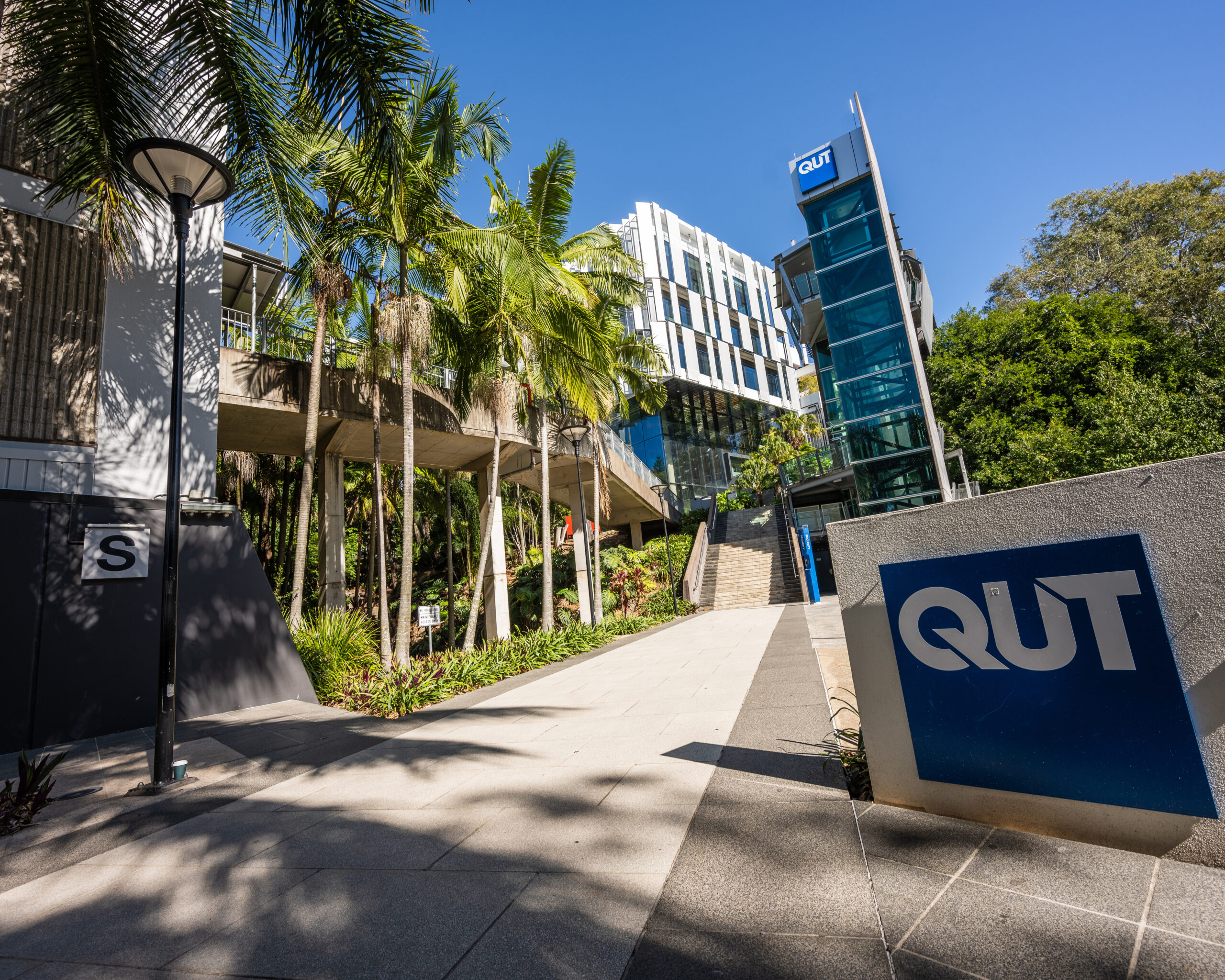
Queensland University of Technology stands as one of Australia's leading institutions, known for its practical approach to education and strong industry connections. A new opening for a Senior Engineer in Corporate Systems within the Digital Business Solutions team presents a compelling chance for experienced IT professionals to contribute to the backbone of university operations. This position focuses on maintaining and enhancing critical finance and human resources systems that support thousands of staff and students daily.
Corporate systems in higher education encompass the enterprise-level applications that handle essential administrative functions. These include financial management platforms, payroll and human resources information systems, procurement tools, and reporting dashboards. Unlike student-facing systems, corporate systems ensure smooth internal operations, compliance with regulations, and efficient resource allocation across the institution.
The Digital Transformation Journey in Australian Universities
Australian higher education institutions have accelerated their adoption of modern technologies in recent years. Universities face increasing demands for data-driven decision making, seamless integration between departments, and robust security measures amid growing cyber threats. At QUT, this aligns with a broader Digital Strategy that includes a multi-year initiative to implement a new Enterprise Resource Planning system.
ERP implementations represent significant undertakings. They involve migrating from legacy platforms to integrated solutions that connect finance, HR, procurement, and other functions. Professionals in corporate systems roles play pivotal parts in configuration, testing, user training, and ongoing optimisation to minimise disruptions during transitions.
Hybrid work arrangements have become standard, allowing teams to balance on-campus collaboration with remote flexibility. This model supports work-life balance while maintaining high productivity in technical roles.
Core Responsibilities of the Senior Engineer Position
The successful candidate will join a dedicated Corporate Systems team responsible for the stability and continuous improvement of business-critical applications. Daily activities include system configuration and customisation to meet evolving university needs, performance monitoring to ensure reliability, and proactive troubleshooting of complex issues.
Implementation activities form another key pillar. This encompasses participating in projects that upgrade or replace components of the corporate applications environment, always with a focus on security and operational excellence. Stakeholder engagement is essential, requiring clear communication of technical concepts to non-technical colleagues across faculties and administrative units.
Operational support extends to providing expert assistance for users encountering difficulties with finance or HR systems. The role may occasionally require availability outside standard hours to address urgent matters, in line with enterprise agreements for professional staff.
Essential Skills and Qualifications for Success
Candidates typically bring postgraduate qualifications or substantial equivalent experience in information technology, systems administration, or related fields. Hands-on expertise in administering corporate applications stands out as a primary requirement, covering areas such as system configuration, performance tuning, and maintaining secure operations.
Strong analytical abilities enable effective diagnosis of intricate problems. Professionals must demonstrate sound judgement when prioritising solutions that deliver excellent service to internal clients. Experience translating business requirements into technical specifications and delivering solutions through appropriate methodologies proves invaluable.
Organisational prowess, including effective time management under pressure, ensures deliverables meet quality standards within deadlines. Interpersonal skills facilitate productive relationships at all organisational levels, while a commitment to equity, diversity, and Indigenous Australian engagement reflects institutional values.

Why Corporate Systems Roles Matter in Higher Education
Efficient corporate systems directly influence a university's ability to allocate resources effectively, support research initiatives, and deliver high-quality education. Reliable finance systems enable accurate budgeting and reporting, while robust HR platforms streamline recruitment, payroll, and professional development processes.
In an era of tight budgets and accountability requirements, these systems provide the data foundation for strategic planning. Integration between platforms reduces manual processes, lowers error rates, and frees staff to focus on higher-value activities that advance the university's mission.
Professionals in these roles contribute to institutional resilience. They help navigate regulatory landscapes, including data protection obligations under Australian law, and support initiatives that promote inclusivity through accessible system design.
Career Pathways and Growth in Australian Higher Ed IT
Working in university IT offers distinct advantages compared to corporate environments. Roles often provide greater stability, opportunities for continuous learning through internal programs and study assistance, and the satisfaction of supporting educational outcomes. At QUT, benefits include competitive superannuation contributions, generous parental leave provisions, salary packaging options, and access to professional development workshops.
Many professionals progress from technical engineering positions into management, architecture, or specialised areas such as cybersecurity or data analytics. The hybrid model and emphasis on work-life balance make these positions attractive for long-term careers.
Related opportunities frequently arise in areas like operations, student systems, and research support, allowing individuals to broaden their expertise within the higher education sector.
Navigating Challenges in University Corporate Systems
Managing complex, often legacy-influenced environments presents ongoing challenges. Integrating new technologies with existing infrastructure requires careful planning to avoid service interruptions. Balancing innovation with the need for system stability demands experienced judgement.
Stakeholder expectations vary widely across academic and professional staff. Clear communication and user-centred design approaches help bridge these gaps. Budget considerations and competing priorities necessitate prioritisation skills and creative problem-solving.
Cybersecurity remains a top concern. Engineers must incorporate security best practices into every aspect of system administration, from access controls to regular audits and incident response planning.
Future Outlook: Emerging Trends Shaping the Role
Artificial intelligence and automation are transforming corporate systems management. Predictive analytics can anticipate maintenance needs, while intelligent workflows streamline routine tasks. Cloud migration continues to offer scalability and cost efficiencies for many institutions.
Data governance and analytics capabilities grow in importance as universities seek deeper insights from their operational information. Sustainability considerations also influence IT decisions, from energy-efficient infrastructure to responsible procurement practices.
Professionals who stay current with these developments position themselves for leadership in the evolving landscape of higher education technology.

Preparing Your Application for Success
Strong applications highlight relevant technical achievements with specific examples of system improvements or successful implementations. Tailoring responses to demonstrate stakeholder engagement and problem-solving in complex environments strengthens candidacy.
Reviewing the full position description and aligning personal experience with the stated requirements helps create a compelling case. Highlighting any exposure to ERP environments or finance and HR systems adds significant value.
QUT encourages applications from diverse backgrounds, including Aboriginal and Torres Strait Islander peoples, in line with its commitment to Indigenous Australian success.
Taking the Next Step Toward a Rewarding Career
This Senior Engineer opportunity represents more than a job posting. It offers a platform to influence the operational excellence of a dynamic university while advancing personal professional goals in a supportive environment. Interested candidates can explore the full details and submit applications through official QUT channels before the closing date.
Exploring similar positions across Australian universities reveals a vibrant job market for skilled IT professionals in higher education. Resources dedicated to academic and professional roles provide valuable insights into available opportunities nationwide.

.jpg)



Discussion
Be the first to comment on this article!
You’ll be asked to sign in before your comment is posted.