
Amazing
Always approachable and easy to talk to.
Always goes the extra mile for students.
Makes even the toughest topics accessible.
Fosters collaboration and teamwork.
Helps students develop critical skills.
Kerryn Hawke is a Lecturer in Atmospheric Science in the School of Environmental and Conservation Sciences at Murdoch University. She is a multi-disciplinary atmospheric science researcher with over twenty years of experience in academia and related industry sectors. Hawke earned her PhD in Environmental Science from the University of Canterbury between 2011 and 2017, a qualification in Applied Meteorology and Climatology from the University of Birmingham from 2004 to 2007, and a Bachelor of Science with Second Class Honours in Geography from the University of Canterbury from 1993 to 1998. Her career includes prior roles at the University of Canterbury, where she served as course coordinator for meteorology and climatology units.
Hawke's research focuses on synoptic meteorology, severe weather and lightning climatologies, weather hazards, multi-hazards assessments including earthquakes and flooding, climate change impacts, and the influences of the Indian Ocean Dipole and El Niño-Southern Oscillation on Australian rainfall, with particular emphasis on cool season drivers and seasonal forecasts in southwest Western Australia. Key publications include 'Evaluation of CMIP6 model skill in capturing the combined and independent influences of the IOD and ENSO on Australian rainfall during JJASON' (2025), 'A Review of Drivers of Cool Season Rainfall in Southwest Western Australia' (2025), 'ACCESS-S2 seasonal forecasts of rainfall and the SAM–rainfall relationship during the grain growing season in south-west Western Australia' (2024, co-authored with R. Firth, A. Marshall et al.), and her PhD thesis on multi-hazard analysis. She has received the College Learning and Teaching Citation from Murdoch University. Hawke supervises honours and graduate theses on topics such as daily PM2.5 concentrations, heatwave and drought indices, hail environments in southwestern Western Australia, and severe weather meteorology. She contributes to educational outreach via taxonomy tournaments on native plant identification in Noongar Country and provides expert commentary on climate records, cyclones, lightning trends, and forest dieback.

Photo by Amin Hasani on Unsplash

Photo by Julia Taubitz on Unsplash

Photo by Güleren E. on Unsplash
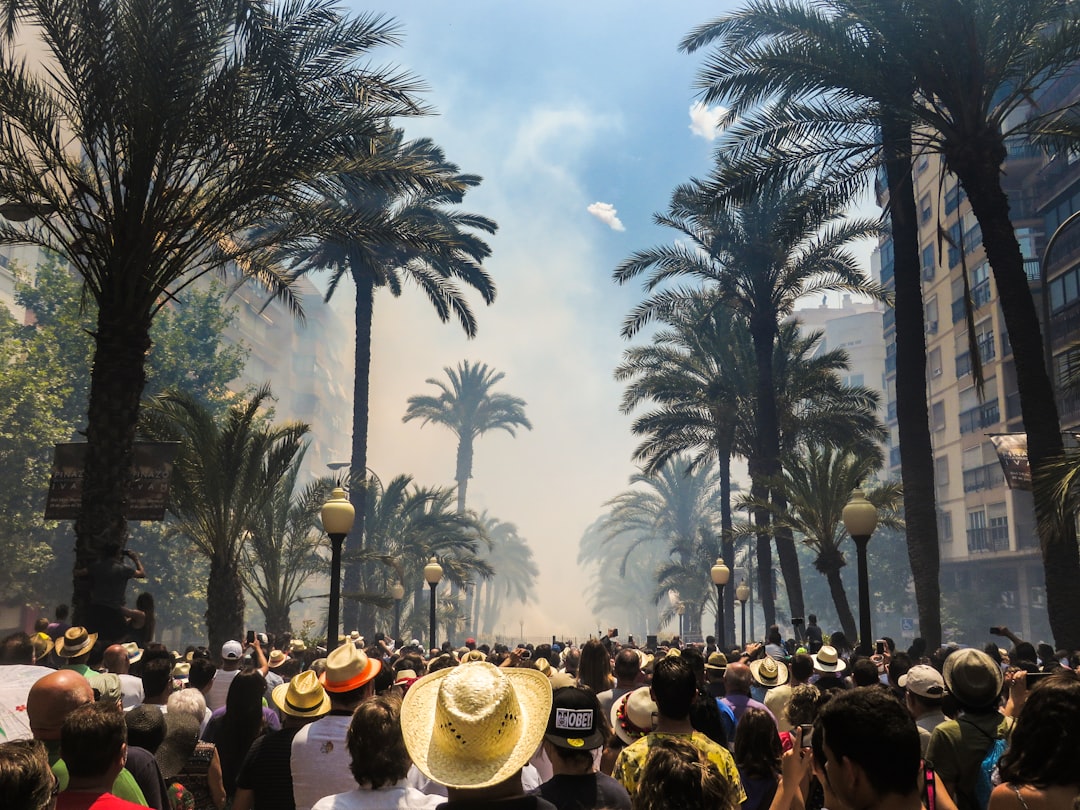
Photo by Lucas Davies on Unsplash

Photo by Brecht Corbeel on Unsplash

Photo by shawnie yang on Unsplash

Photo by dotzero on Unsplash
Have a story or a research paper to share? Become an Expert Academic Contributor and publish your work on AcademicJobs.com.
Write news and research articles as a expert academic in your field publish your work on AcademicJobs.com